by Gillian Hobbs
•
21 November 2025
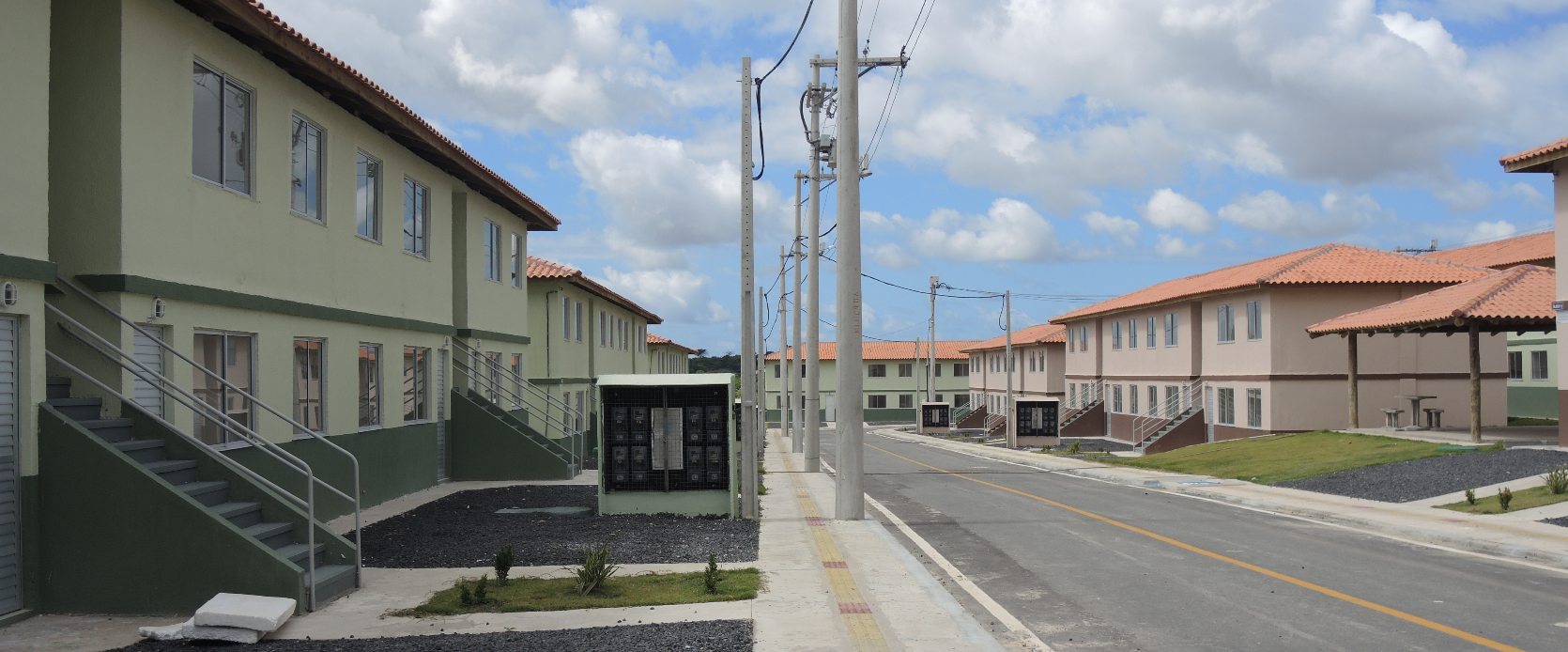
As COP30 closes today in Brazil, most headlines have centred on forests and energy. But there’s another critical question we must ask "where will people live in a climate-safe future? Gilli Hobbs of Reusefully and Ana Quintas of Sustenuto reflect on affordable housing, sustainability and quality. Affordable housing isn’t only a social priority, it’s a climate imperative. Sustainable development can only succeed if construction, housing, and social impact move forward together. Around 11 years ago, whilst at BRE, we were invited to a pan government and industry workshop to discuss affordable housing and priorities to improve sustainability and quality in the next (highly ambitious) phases of the Minha Casa Minha Vida programme. There had already been around 3 million homes built over 7 years. An impressive feat that resulted in millions of Brazilians having formal housing for the first time. However, there were issues arising from these developments that needed to be resolved prior to the next wave of developments. In 2015, we launched a programme with Caixa Econômica Federal and UNDP to strengthen sustainability in Brazil’s social housing sector - Advancing the Sustainability of Social Housing Developments in Brazil. The goal was to raise environmental performance and building quality in Brazil’s Minha Casa Minha Vida programme, which has provided millions of homes for low-income families. These earlier housing developments offer important lessons, while future programmes present opportunities to embed higher sustainability standards from the start. To support this evolution, our team and partners developed a set of tools and methodologies: Sustainability Standard for Social Housing : A framework to support governance, tools, training, and guidance to programme managers and operators. Balanced Scorecard : A holistic evaluation approach covering infrastructure, services, and the social, economic, and environmental sustainability of communities. Post-Occupancy Evaluation : A robust methodology adapted to the Brazilian context, enabling consistent data collection on housing performance and resident experience. Impact Assessment : Although data gaps limited a full evaluation, we provided strategic guidance to strengthen future assessments. Dissemination Phase : Workshops with industry, associations, and residents, supported by CAIXA, UNDP, and the Ministry of Cities, ensured wide engagement and knowledge sharing. This work marked the beginning of a long-term journey: embedding sustainability not just in buildings, but in governance, urban planning, and community development. Watch this short video on how Brazil approached sustainable housing challenges a decade ago. Why this matters today Buildings account for nearly 40% of global energy-related emissions. Every affordable home built without sustainability locks in decades of inefficiency, higher costs, and increased climate risk for families who can least afford it. As COP30 ends, the real work begins. Climate justice isn’t only about forests and energy transitions . It’s also about homes—where people live, raise families, and build their futures. Sustainable development only succeeds when housing, construction, climate resilience, and social impact move hand in hand. COP30 reminds us of a simple truth: climate justice starts at home. What did we learn? Our project was quite intense, involving many stakeholders from across Brazil. The level of collaboration and determination to provide more sustainable and resilient homes for the poorest segment of society was very impressive – for which it won an award as you can see below.