Planning for Circular Construction - Event Summary

Simon Guy • 12 February 2026

How can planning policy influence and support the development of the circular economy in construction and what actions can municipalities take to support circularity and reuse? 


At the end of January, Reusefully hosted a webinar on this topic with contributions from more than 100 attendees who joined from across the UK, Denmark and beyond.


The event featured an impressive group of speakers which included Gilli Hobbs, co-founder and director of Reusefully, who also chairs of the British Standards working group on Circular Economy in Construction and is co-lead for the European working group looking at standards for pre-deconstruction audits. Hrabrina Nikolova-Laxness of Westminster City Council, who have now formally adopted a ‘Retrofit First’ policy and Pernille Kernel of the Capital Region of Denmark, who leads on a broad range of project collaborations to create a circular transformation of the construction sector.


Hrabrina’s presentation was entitled ‘Retrofit-First for Circular Construction’. She described how Westminster comprises one of the densest and highest profiles areas of London with some of the most significant historic buildings - almost 80% of Westminster, in fact, sits within a conservation area. 

Retrofit first for circular construction

Retrofit and retention is therefore central to development in the borough and in just the last week, Westminster announced the formal adoption of a ‘Retrofit First’ policy.


This is supplementary to the UK national planning policy which is in place and promotes sustainable development, and the Greater London Authority’s (GLA) London Plan, the overarching plan for all areas of London, which requires all development proposals over a certain size, or complexity, to submit a whole life carbon and circular economy statement. 

Westminster’s new policy is going further than these regional requirements by requiring all schemes to submit assessments regardless of size, if they are proposing any demolition of a building over one storey. New proposals will also need to meet upfront carbon benchmarks. 


The philosophy underlying Westminster’s approach is placing major emphasis on reducing primary resource use and preventing waste in the first place. Within ‘Retrofit First’ they have defined levels of redevelopment, which for retrofit involves demolition from 0-10% of the current floor area of a building, to partial demolition and substantial demolition involving more than 50% of floor area. The latter being classified as new build.


In line with GLA requirements, a Pre-Redevelopment Audit is also required for all new buildings and major demolitions, which will require the developer to justify any potential demolition and prove that they cannot achieve their aims through retention and retrofit. Westminster have further defined the ‘tests’ that need to be undertaken as part of this upfront decision making process. 


The carbon benchmarks that have been adopted apply at different levels depending on the size and type of development, and these are based on a methodology developed by the UK’s Royal Institution of Chartered Surveys (RICS).


In practice, Hrabrina said, this policy is already leading to a higher level of innovation. She quoted an example of 63 New Bond Street which is the former Fenwicks department store in Mayfair, which was presented for planning approval with more than 50% slab retention and 70% facade retention.


The design proposals had to address a number of challenges, particularly as the building was made up of eight different structures, dating back to the 1800s up to the 1980s. The solution adopted by the client and design team was to jack up parts of the existing structures thus allowing alignment of different floor and ceiling heights. 


Westminster themselves were also involved in innovative concrete reuse trial at their own major housing development at Ebury Bridge,   aiming to set a new standard in estate regeneration. 


Pernille  described how municipalities in Denmark have a role in circularity, both as major building owners (with over 2.5 million square metres), as promoters and supporters of regional development, and as the ‘raw material authorities’ deciding where and when raw materials can be extracted.

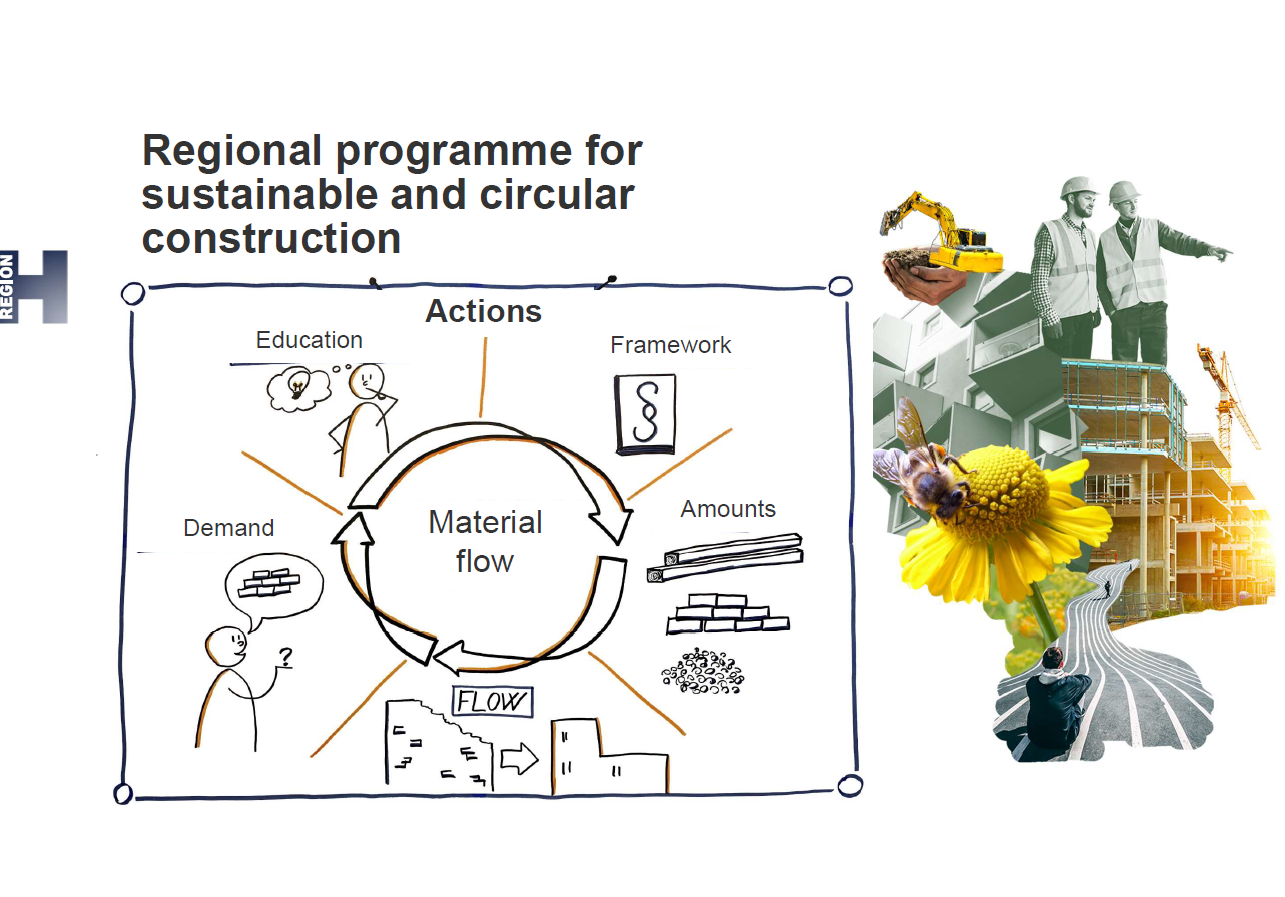
CityLoops regional programme for sustainable and circular construction

Pernille acted as the lead for CityLoops, an EU Horizon 2020 project which ran from 2019-2023, and focused on encouraging circular construction practices, designing for disassembly and selective demolition across a range of construction projects.


The project team creating toolboxes and guidance in areas such as circular procurement, material passporting and material reuse marketplaces. Within CityLoops, co-operation between stakeholders was vital, and an open-minded approach to solving problems and understand challenges.


CityLoops also helped make the politicians in Denmark’s Capital Region more aware of circular construction, which resulted in a move from selective demonstration to more a widespread regional roadmap. As a result, this helped encourage the creation of a Danish law covering ‘selective demolition’ which entered into force in June 2025. Any demolitions over 250 square metres, now require a demolition plan for materials. This is just a first step, and the region is developing guidance to support this activity.


In addition, more generally across Denmark the wider adoption of a life-cycle carbon assessments (LCA) is supporting reuse as reused materials currently count as zero in the carbon emissions calculation. 


Other measures under consideration include the creation of local ‘material stations’ across Denmark, which are physical storage hubs which also may include some aspects of reprocessing.


The Capital Region are currently directly supporting a number of development through 25 hours free consultancy, alongside a Task Force for Circular Construction projects. Other actions include bringing together public/private partnerships, as well as considering the legal issues surrounding this. A ‘donor building’ platform is currently being developed, mapping future resource availability, which is being financed under the Danish public digitisation fund.


Gilli Hobbs completed the presentations by describing how Reusefully are brought in to help developers and design teams meet the increasingly stringent requirements laid down by Westminster and other local authorities in the UK, against the backdrop and with the aim of achieving greater retention and reuse. In some projects, drivers also include the client’s own sustainability commitments (for example, ESG strategies linked to wider stakeholder concerns), which is starting to become more apparent in some areas. Additionally, there may be a need to meet the requirements of certification standards such as BREEAM or SKA.


Overall, the requirements for granularity and detail within Pre-Deconstruction Audits - a first step to achieving greater circularity - is now growing, and this is a trend which is a welcome development. There are moves within a European standards working group (CEN TC 350 SC1) addressing how you should measure circularity and effectively enable reuse which will contribute towards this. This standards work is ongoing, and we will start to see Technical Reports and Standards being published in late 2026, and into 2027.


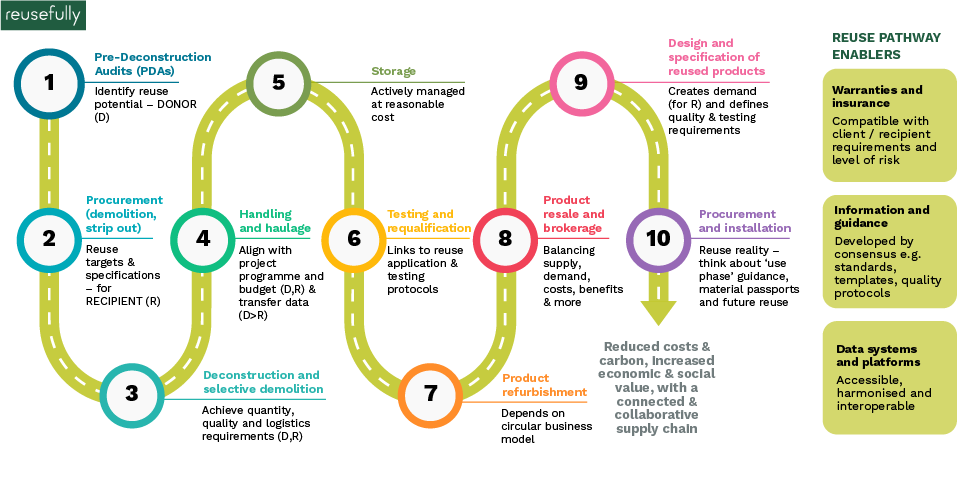
Gilli  presented Reusefully’s ‘Reuse Pathway’ diagram which is an effective way of addressing and communicating the practical actions needed to move from reuse potential to ‘reuse reality’. This comprises a ten-step process, helping clients, together with their design and project teams understand what they need to address and identify the most effective and appropriate action to take.

Gilli quoted an example of Reusefully’s work at 35 Lincoln’s Inn Fields  (which is situated within Westminster planning jurisdiction), on behalf of the client (the London School of Economics) and a design team led by David Chipperfield Architects, and now working closely during construction with the contractors McLaren Construction. 


A large proportion of the existing building was retained (more than 7,500 tonnes) and over 540 tonnes of reuse and higher value recycling is being achieved. This includes the reuse of bricks onsite, stone cladding, ceramic tiles and wooden flooring. A critical factor in this was the detail and granularity of the original audit undertaken by Reusefully, and close collaboration and commitment within the whole project team.


A lively exchange of questions and comments followed the speaker presentations, with questions focusing on topics such as the carbon limits that are being adopted by Westminster and other local authorities, how these are worked out and how they are applied. 


For both Westminster and Denmark, the emphasis is on proving that demolition is really necessary, and setting carbon limits for development, with developers needing to show what is the public benefit from new build. Hrabrina also described how these limits are based on a methodology developed by the UK’s Royal Institution of Chartered Surveyors (RICS) and the long process of detailed consultation and data gathering that Westminster went through.


It was a similar story in Denmark, with consultation and discussion around what would be required to meet carbon reduction targets in line with the Paris Agreement. Pernille also described how municipalities in Denmark are seeking to restrict new development in housing, encouraging retention of existing buildings with retrofit or extensions, in favour of demolition.

The role of green building standards such as BREEAM, SKA and DGNB was discussed, together with some of the specifics of the concrete reuse pilot that Westminster are engaged with. 


Issues such as insurance and warranty for reused products came up, and it was acknowledged as a challenging area. Gilli highlighted developments in the reuse of steel and areas such as reused raised access flooring and lighting where warranty schemes are starting to be adopted. She also highlighted the development of standards to support aspects of reuse, PDAs, circular design, circularity assessment, building and product passports. These should help with the provision of warranties and insurance cover once published. 


For further information on any issues raised in this webinar, please contact Reusefully on hello@reusefully.co.uk.


Additionally, you can download a copy of the presentations from the speakers here.

by Gillian Hobbs 21 November 2025
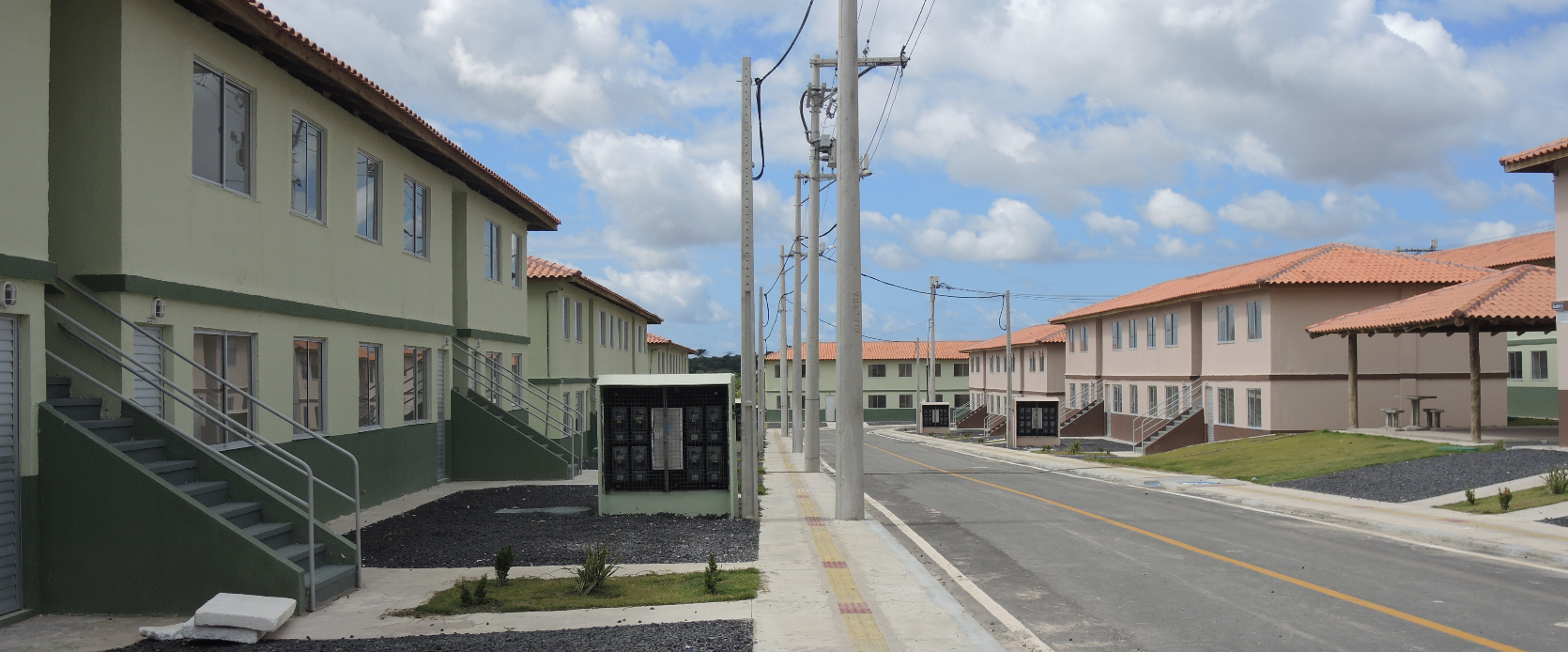
As COP30 closes today in Brazil, most headlines have centred on forests and energy. But there’s another critical question we must ask "where will people live in a climate-safe future? Gilli Hobbs of Reusefully and Ana Quintas of Sustenuto reflect on affordable housing, sustainability and quality. Affordable housing isn’t only a social priority, it’s a climate imperative. Sustainable development can only succeed if construction, housing, and social impact move forward together. Around 11 years ago, whilst at BRE, we were invited to a pan government and industry workshop to discuss affordable housing and priorities to improve sustainability and quality in the next (highly ambitious) phases of the Minha Casa Minha Vida programme. There had already been around 3 million homes built over 7 years. An impressive feat that resulted in millions of Brazilians having formal housing for the first time. However, there were issues arising from these developments that needed to be resolved prior to the next wave of developments. In 2015, we launched a programme with Caixa Econômica Federal and UNDP to strengthen sustainability in Brazil’s social housing sector - Advancing the Sustainability of Social Housing Developments in Brazil. The goal was to raise environmental performance and building quality in Brazil’s Minha Casa Minha Vida programme, which has provided millions of homes for low-income families. These earlier housing developments offer important lessons, while future programmes present opportunities to embed higher sustainability standards from the start. To support this evolution, our team and partners developed a set of tools and methodologies: Sustainability Standard for Social Housing : A framework to support governance, tools, training, and guidance to programme managers and operators. Balanced Scorecard : A holistic evaluation approach covering infrastructure, services, and the social, economic, and environmental sustainability of communities. Post-Occupancy Evaluation : A robust methodology adapted to the Brazilian context, enabling consistent data collection on housing performance and resident experience. Impact Assessment : Although data gaps limited a full evaluation, we provided strategic guidance to strengthen future assessments. Dissemination Phase : Workshops with industry, associations, and residents, supported by CAIXA, UNDP, and the Ministry of Cities, ensured wide engagement and knowledge sharing. This work marked the beginning of a long-term journey: embedding sustainability not just in buildings, but in governance, urban planning, and community development. Watch this short video on how Brazil approached sustainable housing challenges a decade ago. Why this matters today Buildings account for nearly 40% of global energy-related emissions. Every affordable home built without sustainability locks in decades of inefficiency, higher costs, and increased climate risk for families who can least afford it. As COP30 ends, the real work begins. Climate justice isn’t only about forests and energy transitions . It’s also about homes—where people live, raise families, and build their futures. Sustainable development only succeeds when housing, construction, climate resilience, and social impact move hand in hand. COP30 reminds us of a simple truth: climate justice starts at home. What did we learn? Our project was quite intense, involving many stakeholders from across Brazil. The level of collaboration and determination to provide more sustainable and resilient homes for the poorest segment of society was very impressive – for which it won an award as you can see below.
by Simon Guy 13 November 2025
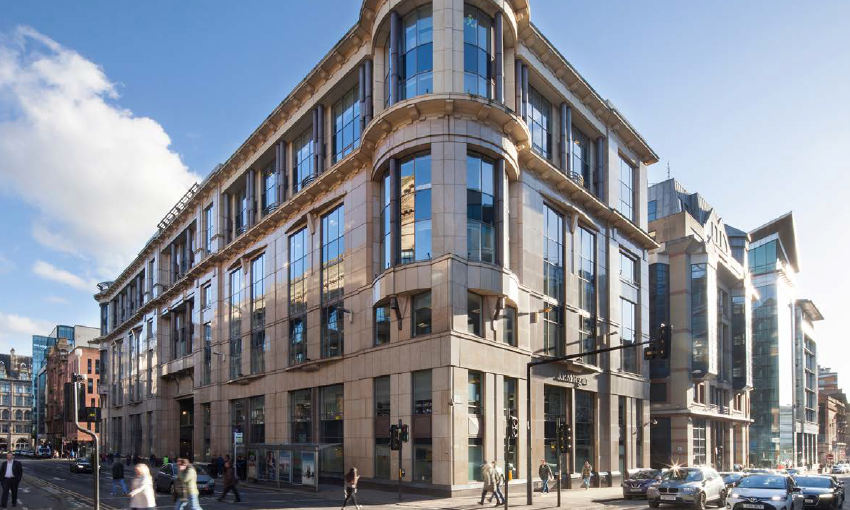
45 Waterloo Street is a 95,500 sq ft office building acquired by RoundShield and CEG Group earlier this year which is currently undergoing refurbishment by the new owners. This includes a full internal refurbishment, refreshed external elevations, a new external roof terrace and removal of the large, glazed atrium to the rear of the building. The building is situated in Glasgow’s busy financial services district.
by Zoe Culverhouse 11 November 2025
Part of driving the transition to a circular economy is highlighting the truth about the effect that we’re having on the environment, the challenges we are facing, and the issues that need to be addressed. Reusefully's Zoe Culverhouse reflects on some of the learning from the recent ASBP Reuse Summit, and the need to focus on the positives we are starting to see. For most of us, and certainly for those of us who attended the ASBP Reuse Summit, the scary truths are enough to make us change our ways and work to find solutions. It is also true however, that for some having access to this information is not enough to spur them to create change. So, the question I’m sure we all want answered is, what will? Leading by example, highlighting the benefits, sharing successes, and proving possibilities were key themes and drivers discussed throughout many of the talks. There are lots of positive things happening in the world of circularity and sustainability; global risks for climate change are being recognised, there has been growth is renewables, embodied carbon legislation is improving, we are seeing successful reuse of numerous materials and products, and The International Court of Justice (ICJ) issued an advisory opinion that climate inaction can be a breach of international law, to name a short few. Potentially one of the most exciting things to see is that there is so much innovation in this space, many of the speakers spoke about the idea of ‘possibilism’ and these innovative projects are showcasing just that. At Euston Tower, Arup and 3XN GXN are extracting panels of the concrete floor for reuse in another structure. At the Brunswick Centre Hub, Heyne Tillett Steel are jacking and lowering floor slabs to increase floor to ceiling heights, and at Resource Rows, Lendager cut out and reassembled old cement-mortar brick facades into new facade modules. Reusefully were involved with one of these projects, proving the initial pre-demolition audit for Euston Tower. Unfortunately, I don’t have an answer to our question of what will drive change, but I can share with you some of the topics shared at the ASBP Reuse Summit. Salvatore Gangemi and Ivo Kolchev, sustainability managers at McLaren, spoke about some of the risks of inaction around sustainability and circularity that organisations may be facing now and in the future. These include regulatory, reputational, and operational risks and may be key drivers for those who I fear will otherwise make no attempt at change. Though risk is a big driver it is not ideal to force people into change, so how do we make them want to? Many of the speakers shared ways in which we might do so; we need to get them involved, we can challenge norms around procurement and business as usual, lead by example and share our successes and possibilities, share the benefits (like winning awards, professional pride, and faster planning processes), and one of my favourite suggestions, we can trick them! Well not really, but this idea stemmed from discussion around renaming reuse and shifting terminology to change perception, dubbed ‘sneaky reuse’. Some suggestions included renaming reused materials as ‘carbon free materials’, ‘pre-loved’, or ‘extended life products’. A great example of success is Durley Chine Environmental Hub, designed by Footprint Architects. It is an amazing building that has the power to get people excited about reuse. When Philip O’Leary, Director at Filros Timber Consultancy and Board Member of Woodknowlege Wales, shared this case study with the group you could hear the amazement at its beauty. Some may be surprised to know that it is partially constructed and clad with reclaimed timber. You may not think you’re interested in ‘timber reuse’ but I have no doubt that this building interests you, the reuse of the reclaimed timber alongside other sustainable elements don’t just make it beautiful, they give it a story. It is now an exemplar and award-winning building for sustainability. Though it may sometimes feel like it, most people aren’t actively trying to push against circularity and reuse. Ben Holmes Associate Director & Head of Sustainability at Elliott Wood, spoke about how giving people the tools to succeed is key. His implementation toolkit shows us that to be successful project teams need, capability, motivation, and opportunity. Capability can be built by providing tools that can be used to reduce the information gap. Opportunity can be created by processes such as getting an audit done as early as possible and following up through the project. Motivation can be sustained through storytelling, gamification, workshops and competitions. So, my main takeaways from this event are, to focus on the positives and the successes we have already seen, share the bright and beautiful side of reuse, remember to stay excited about progress and innovation, and base your world view around what is possible. Some further reading and information: Euston Tower , Arup and 3XN GXN Heyne Tillet Steel Lendager’s Resource Rows Durley Chine Environmental Hub , Footprint Architects ASBP’s Reuse Now campaign You can connect with Zoe Culverhouse on LinkedIn
by Katherine Adams 27 October 2025
We spend 80-90% of our time indoors, and the workplaces, leisure spaces and retail outlets we use are of fundamental importance to our lives, our health, wellbeing and our economy. However the market that supports the creation and management of interior spaces is highly wasteful and carbon heavy.
by Simon Guy 18 June 2025
A pioneering scheme to create a pathway to net zero carbon emissions for a North Yorkshire industrial estate is providing a viable model for decarbonisation in rural industrial estates. The Decarbonising Dalton project was supported with funding from Innovate UK and match funded by Dalton Business Partners, carried out a 12-month feasibility study at Dalton Industrial Estate near Thirsk. The study examined emissions associated with power, heat, transport and the circular economy, developing strategies to reduce them effectively. The study provided individual assessments for each business on the estate, resulting in a tailored action plans to achieve net zero while minimising the need for carbon offsetting. The initiative was delivered in five key phases: business needs assessments, quick-win reductions, shared onsite opportunities, offsite interventions, and collation and knowledge sharing.  Following the circular economy work package undertaken by Reusefully (which focused on the individual business’ material procurement needs) the Dalton Industrial Estate Exploitation Plan highlights that in 2026 partners should promote industry symbiosis across the estate. The Plan highlights how businesses can collaborate to agree on common material requirements, enabling them to share resources more efficiently. By aligning their procurement strategies and identifying opportunities for material reuse, businesses can significantly reduce waste and reliance on external suppliers. This cooperative approach would not only enhance sustainability but also create a more resilient and interconnected industrial ecosystem, driving further progress towards the Estate’s decarbonisation goals.
by Zoe Culverhouse 28 April 2025
Black Swan is a 191,000 sq. ft warehouse and office space owned by Aviva Investors, which is currently undergoing refurbishment including the removal of internal finishes such as carpet tiles and ceiling tiles, some internal doors, lighting and MEP equipment, the large 3 storey mezzanine, and warehouse racking.
More posts